
Sometimes You Win, Sometimes You Learn
The work nobody sees is the work that wins

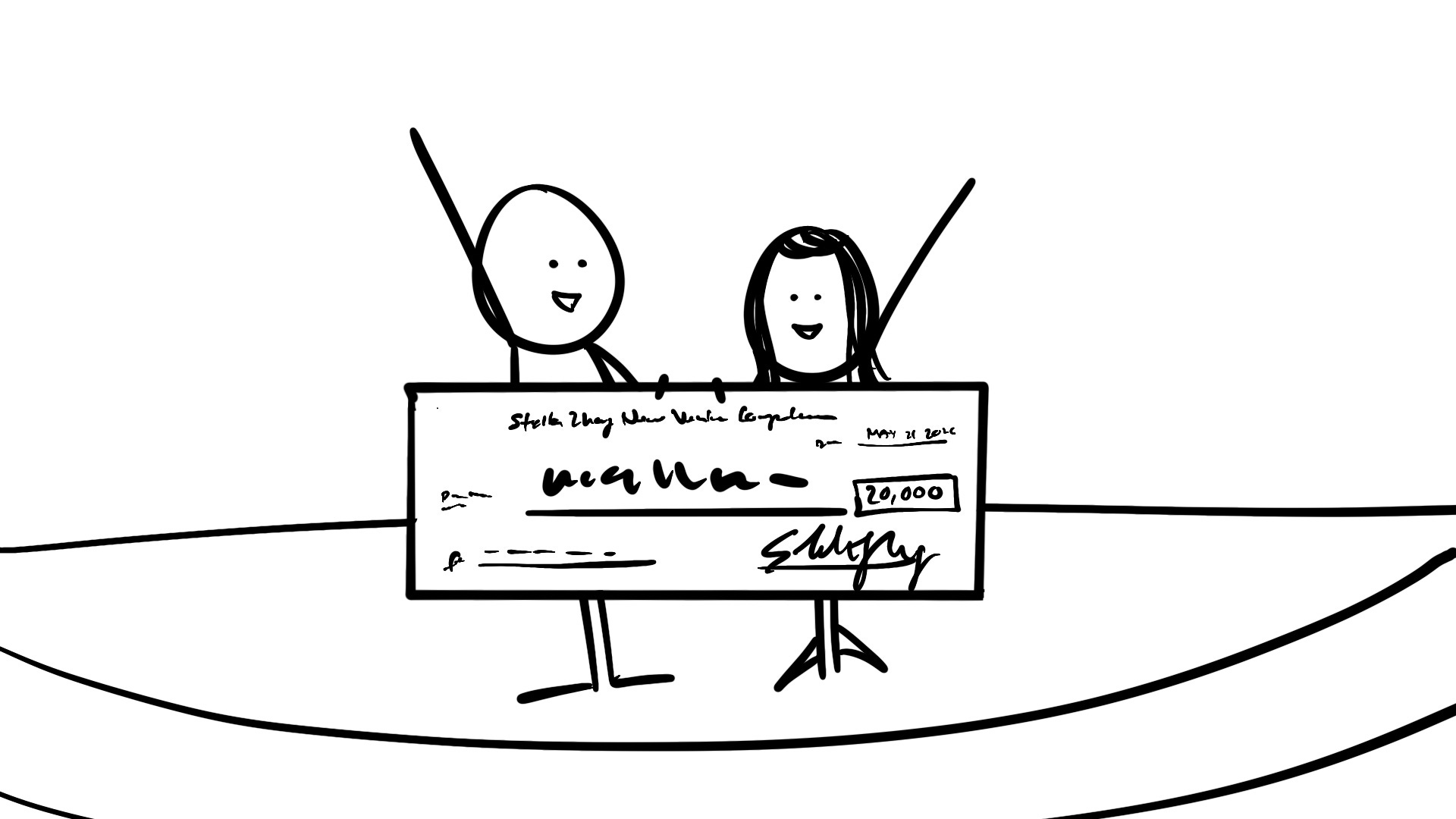
The dean of the business school walked to the stage holding checks facing inward, concealed from the audience and the teams standing under the lights. He was joined by judges and VIPs. Close to 300 people watching with baited breath. Over 160 teams had entered the Stella Zhang New Venture Competition at UC Irvine at the start of the year. It had come down to this moment. And Stella Zhang was on stage ready for her picture with the winning team.
You could feel it in the room. The kind of tension that doesn’t come from nowhere. It comes from months of work, building, coding, mentor sessions, workshops, late nights running through the pitch. Getting feedback that stung, revisions that humbled you, and mornings where you were unmotivated but you kept showing up.
First past the concept paper round, then semifinals boardroom pitch, and now the grand finale. Three minutes. No slides. Just your team, your idea, and the judges deciding whether they believed in your idea as much as you do.
The dean called the second place team to the stage first. A big check was held up, photos were taken, and then they returned to their seats. The room reset. Every remaining team sat back in the audience, the tension ratcheting up one more notch.
Then the dean prepared to name the first place winner and hand over the twenty thousand dollar grand prize check. All teams sitting in the audience, waiting to find out if everything they had put in was enough.
The crowd cheered, the winning team jumped up and embraced, and ran to the stage to claim their prize.
For others, the lesson was just getting started.
Sometimes You Win
My good friend Michael Houlihan, cofounder of Barefoot Wines, one of the world’s best-selling wine brands before it was acquired by Gallo, once told me something I have never forgotten: sometimes you win, and sometimes you learn.
He would know. Building Barefoot from nothing into a category-defining brand required competing in a market crowded with established players, with limited resources and no guarantee the world was ready for what they were building. You don’t build something like that without losing a few rounds along the way.
When a team wins a business competition, they earn more than a check. They earn confirmation. Confirmation that their preparation translated under pressure. That their story landed. That when the lights came on and the audience was watching, they were ready. That kind of confidence is not something you can fake or borrow. It is built in the weeks and months before anyone is watching.
Winning is real. It matters. But it is not the whole story.
Sometimes You Learn
If you have ever competed in a business competition or hackathon and not won first place: you did not lose what you built. You walked away from the experience with something bigger.
You know your business at a level you did not know it six months ago. You have been stress-tested by mentors, challenged by judges, and forced to defend every assumption in your model. You have practiced explaining a complex idea in under three minutes until it became second nature. Nobody handed you that. You earned it through the process.
The real question was never who won.
The real question was whether you showed up better than you were before the competition started.
You Are Always Competing Against Yourself
Here is the part that gets lost in the excitement of competition season: in the real world, there are no judges and no announced winners.
There is just the market.
When you are building a startup, you are competing against every other team trying to solve the same problem, capture the same customer, or build the same tool. Capitalist markets are competitive by design. You can only control one thing: whether the version of you that shows up today is sharper, more prepared, and more clear-eyed than the version that showed up yesterday.
That is what competitions actually teach you. Not how to beat the other team. How to beat your previous self.
The invisible reps matter. The pitch you ran at 11pm in your apartment when no one was watching. The model you rebuilt after a mentor told you the numbers did not hold up. The feedback you did not want to hear and decided to act on anyway. No one sees that work. But it shows up on stage.
Parkinson’s Law tells us that work expands to fill the time available. Deadlines create urgency. Competitions create deadlines. That is why a team that enters a competition in January produces a sharper, more battle-tested pitch by April than they would have if they had just been “working on it.” The deadline is not a threat. It is a gift.
The Competition Does Not End When the Season Does
After the awards were handed out, one of my students came up to me. He had just won. And the first thing he said was, “What other competitions can I enter? I want to keep going.”
That is exactly the right instinct.
But competition seasons end. Hackathons get spread out. The structured pressure of a pitch competition is not always available on demand. And for the teams that did not advance past the first round, the external deadline is already gone.
So what do you do?
You create your own.
This is what separates the founders who keep building from the ones who stall. They do not wait for a competition to give them a reason to prepare. They create the deadline themselves. A product launch date. A target date for the first customer. A funding milestone. A beta release. Anything that puts a stake in the ground and forces the behind the scenes work to happen.
If you do not win (a competiton, hackathon, or investor’s money), it is not over. It just moved off the main stage and into your own hands. And if the experience showed you something about your business that you had been avoiding, maybe the lesson is to pivot. Maybe the feedback from the judges is the signal you needed. Either way, you are better equipped to decide. That is not losing. That is exactly what the competition was designed to do.
Plant the Flag Anyway
I know this firsthand. I had been sitting on the concept for my book series, Getting Your SHIP Together, for longer than I want to admit. The first book in the series, SpeakerSHIP, had been in progress without a real deadline. I kept working on it the way you work on something without urgency: steadily, but not sharply.
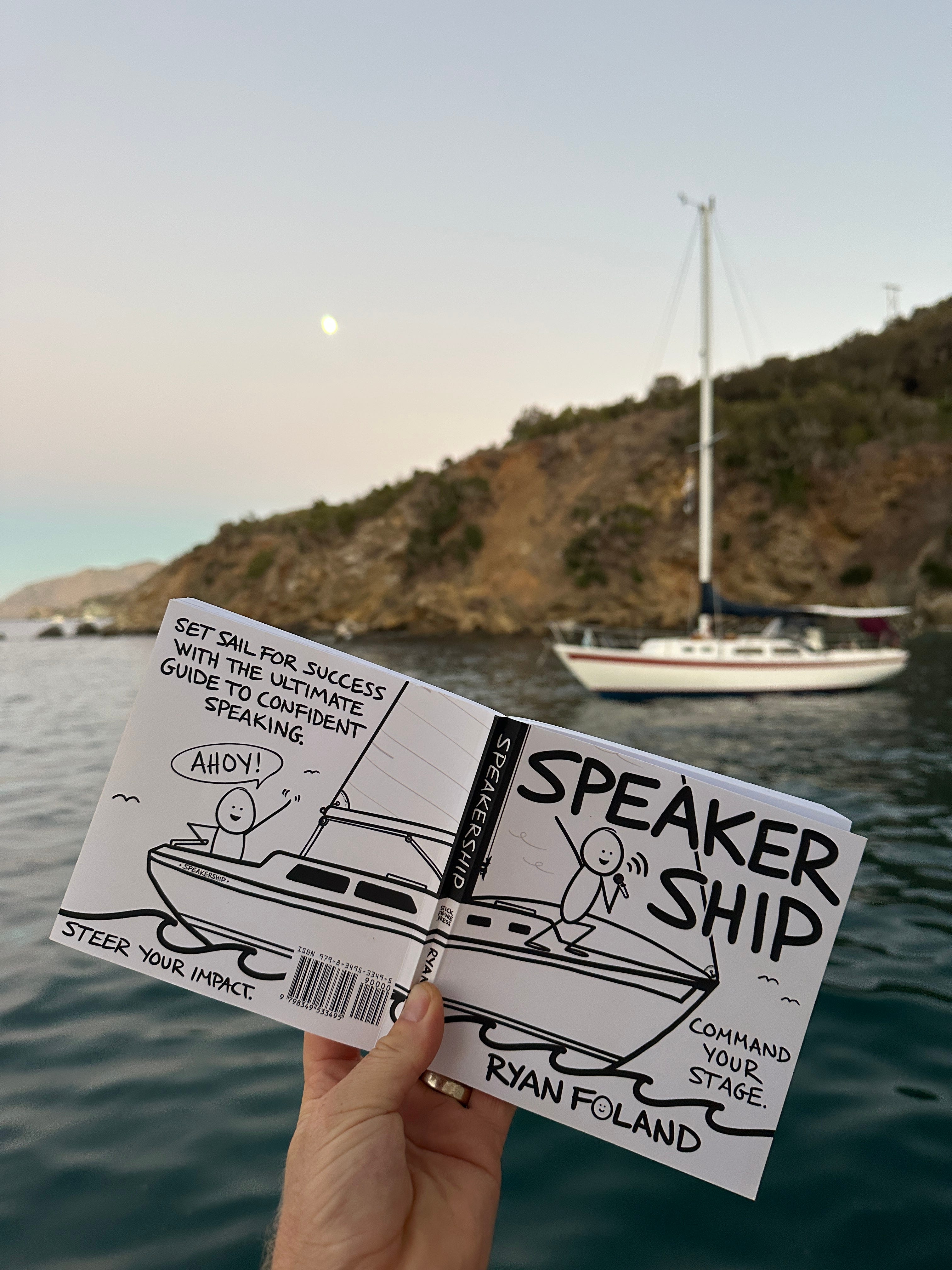
Then I made a decision. I planted my flag. I set August 13th, my birthday, as the publishing date. No external judges. No prize money. Just a flag in the ground and a commitment to hit it.
I hit it.
And now I am doing the same thing with the second book in the series, EntrepreneurSHIP. August 13th, 2026. It is on the calendar. It is real. And I can tell you with confidence that without that date, the manuscript would still be “in progress” in the way that things stay in progress when there is no finish line.
Deadlines are not pressure. They are permission to do your best work.
Bring Your Best Version
Whether you are a student who just walked off a competition stage, a founder preparing for a Series A pitch, or someone building something on the side at midnight after the kids go to sleep: the competition is always the same one.
You versus the version of yourself that showed up last time.
Plant the flag. Create the deadline. Do the work nobody sees. And when you step onto whatever stage is in front of you, you will know whether you earned that moment.
Sometimes you win. Sometimes you learn. Either way, you are building something.
And if you need help along the way. Whether it's a high stakes pitch, presentation, keynote, or TEDx talk, I'd be happy to share how I can help you show up as your best version. Book an intro call with me. And if you are a student at UC Irvine, come by the ANTrepreneur Center and we will get you shipshape.